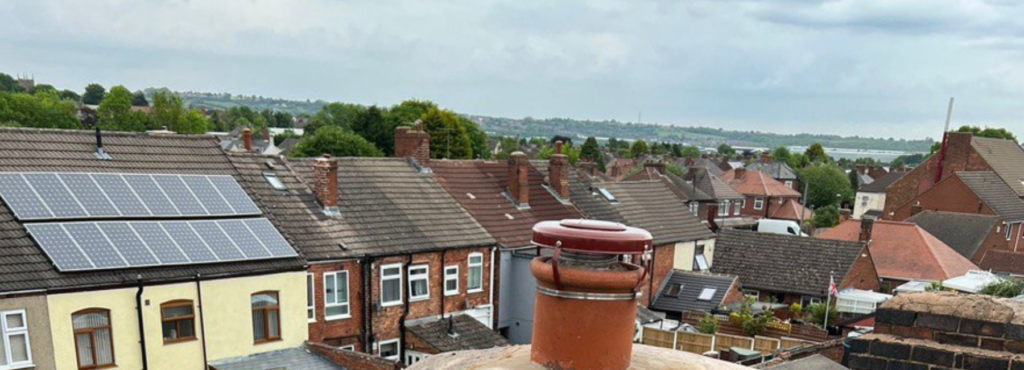
Some roofing problems are easy to spot, while others remain concealed until dampness or internal damage appears. Even a minor visible defect can indicate a wider issue involving the tiles, underlay, flashing, fixings or roof structure.
For property owners in Beverley, East Riding of Yorkshire, arranging a professional roof inspection can help identify the true cause of a problem and determine the most appropriate repair. The following ten warning signs should not be ignored.
Roof Problems That Require Professional Attention
1. Slipped or Missing Roof Tiles
A slipped tile can create an opening through which wind-driven rain reaches the underlay. If the underlay is damaged or deteriorated, moisture may enter the roof space.
A contractor should establish why the tile moved. Possible causes include failed fixings, damaged battens, weather exposure or movement elsewhere in the roof. Simply replacing the tile without addressing the cause may lead to the problem recurring.
2. Recurring Roof Leaks
A leak that returns after previous repair work may mean that the original entry point was not identified. Water can travel along underlay, rafters or other surfaces before appearing inside the property, so the visible damp patch may be some distance from the defect.
A systematic inspection can trace the likely route of the water and assess the surrounding roofing components.
3. Cracked or Broken Tiles
Cracks can allow moisture beneath the roof covering even when a tile remains in position. Damaged tiles may also weaken further during poor weather.
The surrounding tiles, fixings and underlay should be checked because an isolated crack can sometimes form part of a broader pattern of deterioration.
4. Damaged Lead Flashing
Lead flashing protects vulnerable roof junctions, including those around chimneys and where different surfaces meet. If it cracks, lifts or pulls away, water can enter through the exposed joint.
Professional inspection is important because the condition of the surrounding mortar and roof covering can affect the most suitable repair.
5. Deteriorating Ridge or Hip Tiles
Ridge and hip tiles help protect prominent roof junctions. Cracked mortar, loose components or visible gaps may allow water penetration and make tiles less secure.
These areas are highly exposed to the weather. A contractor can check whether the problem is limited to a small section or whether more extensive remedial work is needed.
6. Problems Around the Chimney
Chimneys contain several potential points of water entry, including flashing, mortar joints and the junction with the roof covering. Dampness near a chimney does not always reveal which component has failed.
An inspection should consider the chimney and adjacent roofing materials together, rather than treating the first visible gap as the only possible cause.
7. Ponding Water on a Flat Roof
Water that remains on a flat roof after rainfall can indicate poor falls, blocked outlets or localised settlement. Persistent ponding places additional strain on the covering and may accelerate deterioration at seams, joints and weakened areas.
A professional contractor can assess both the surface and the drainage arrangement before recommending repairs.
8. Cracked, Blistered or Torn Roofing Felt
Roofing felt can deteriorate through age, weather exposure, trapped moisture or movement within the supporting structure. Splits and open joints provide direct routes for water, while blisters may indicate moisture or air beneath the covering.
Patching may be suitable in some cases, but the full condition of the felt should be assessed before deciding on the repair.
9. Sagging or Uneven Roof Sections
A visible dip or change in the roofline requires prompt attention. It may relate to weakened battens, deteriorated decking, structural movement or prolonged moisture exposure.
Because the cause may sit beneath the visible covering, this type of problem should be investigated carefully rather than treated as a surface defect.
10. Damp Patches, Stains or Musty Odours
Internal signs of moisture often provide the first indication of a roofing fault. Ceiling stains, damp roof timbers, peeling decoration or a persistent musty smell may mean water is entering or moisture is being retained within the roof space.
The source should be identified before internal surfaces are restored. Otherwise, the dampness may return and the concealed materials may continue to deteriorate.
Why Accurate Roof Diagnosis Matters
Several roofing defects can produce similar symptoms. For example, a ceiling stain could result from damaged flashing, a slipped tile, deteriorated underlay or a ventilation issue.
A professional inspection considers how the entire roofing system is performing. This allows repairs to address the underlying cause rather than merely covering the visible symptom. It can also reveal related weaknesses that may otherwise be missed.
Conclusion
Slipped tiles, recurring leaks, damaged flashing, deteriorating felt and changes in the roofline all deserve professional attention. Early inspection can clarify the extent of the problem and help prevent moisture from affecting additional parts of the roofing system or the interior of the property.
TRP Roofing Beverley provides professional roof inspections and repairs in Beverley, East Riding of Yorkshire. If you have noticed signs of roof damage, contact our team to arrange an assessment and receive clear guidance on the appropriate next step.
Call us on: 01482 429 199
Click here to find out more about TRP Roofing Beverley
Click here to complete our contact form and see how we can help with your roofing needs.