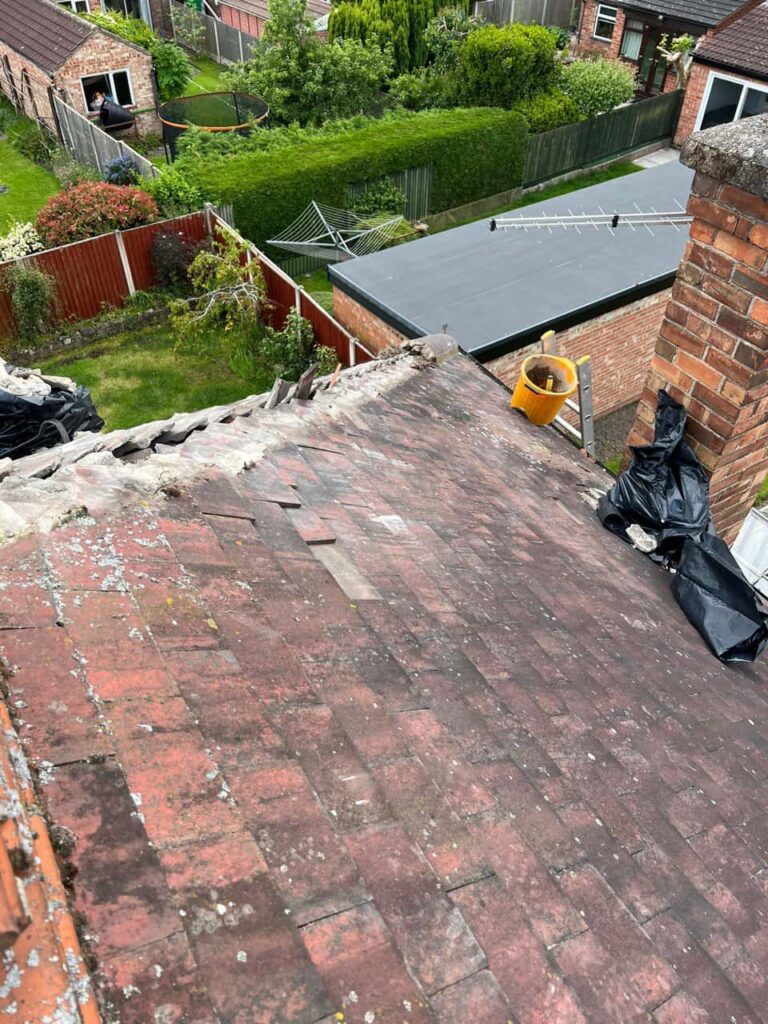
Professional roof repairs should resolve the identified defect and restore the affected area to a reliable condition. However, completing the repair does not remove the need for ongoing maintenance. A roof remains exposed to rain, wind, changing temperatures and organic debris throughout the year.
For homeowners in Beverley, East Riding of Yorkshire, sensible aftercare can help repaired areas continue performing as intended while making unrelated problems easier to detect. Maintenance should consider the whole roofing system rather than focusing only on the section where work was completed.
Maintaining Your Roof Following Professional Repairs
A clear maintenance routine does not need to involve frequent intervention. Regular observation, effective drainage and timely professional inspections can help preserve the roof without unnecessarily disturbing sound materials.
Understand What Was Repaired
After roofing work has been completed, it is helpful to understand the original cause of the problem and which components were repaired or replaced. The work may have involved more than the visible roof covering, particularly if moisture had affected underlay, battens, flashing or other concealed materials.
Knowing the location and nature of the repair provides a useful reference if new symptoms appear. It also helps distinguish between a recurring defect and an unrelated issue elsewhere on the roof.
Monitor the Area During Rainfall
The first periods of sustained rain following a repair provide an opportunity to check that the previous signs of water ingress have stopped. Look for changes in ceiling stains, dampness within the loft or moisture around the repaired junction.
Old staining may remain visible after the source has been resolved, so the important point is whether it expands, darkens or feels damp. If there is uncertainty, professional assessment is preferable to assuming that the leak has returned.
Check the Loft Periodically
Where access is safe and practical, the loft can reveal roofing problems before they become visible in occupied rooms. Signs worth noting include:
- New staining on roof timbers
- Damp or compressed insulation
- Water marks on the underlay
- Daylight entering through unexpected gaps
- Persistent musty odours
- Changes around chimneys or roof penetrations
Checking after prolonged rainfall or strong winds can be particularly useful. Avoid touching wet electrical fittings or walking on areas that are not designed to support weight.
Keep Gutters and Outlets Clear
Gutters form an important part of the roof’s drainage system. Leaves, moss and other debris can obstruct the flow of water, causing it to overflow against fascia boards, walls or roof edges.
Valleys and flat-roof outlets can also collect debris. Keeping drainage routes clear helps prevent standing water and reduces unnecessary moisture around repaired areas. Where access is difficult, this work should be completed professionally.
Observe the Roof From Ground Level
Regular ground-level checks can identify visible changes without the risks associated with climbing onto the roof. Look for:
- Slipped, cracked or missing tiles
- Loose ridge or verge details
- Disturbed flashing
- Sagging or overflowing gutters
- Debris collecting in valleys
- Changes in the roofline
- Damage following strong winds
Viewing the roof from different positions may reveal defects hidden from the main entrance or garden.
Avoid Unnecessary Foot Traffic
Tiles, slates and flat-roof coverings can be damaged by unsuitable foot traffic. Walking on a roof may crack materials, disturb overlaps or place pressure on recently repaired details.
Roof-mounted equipment, aerial work and other property maintenance should be planned carefully so that access does not compromise the roofing surface. Appropriate access methods help protect both the repaired section and the wider roof.
Manage Nearby Tree Growth
Branches growing close to a roof can scrape coverings, disturb gutters and deposit leaves into drainage channels. During windy conditions, repeated contact may loosen materials or damage vulnerable junctions.
Suitable pruning can maintain clearance around the building and reduce debris accumulation. Trees do not necessarily require extensive cutting; targeted professional work may be sufficient.
Pay Attention After Severe Weather
Strong winds and heavy rainfall can affect areas that were not involved in the original repair. A roof may remain sound at the repaired section while developing a displaced tile, blocked valley or lifted flashing elsewhere.
After severe weather, inspect the property from ground level and check accessible internal areas for new moisture. Prompt attention to a small defect can prevent it from becoming a more extensive repair.
Do Not Cover Up Internal Warning Signs
Painting over a ceiling stain does not confirm that the underlying area is dry. Before redecorating, ensure that the source of moisture has been resolved and allow affected materials sufficient time to dry.
If staining returns, spreads or develops in a different location, arrange an inspection. Water can travel along internal roof components, meaning the visible symptom may not sit directly beneath the defect.
Arrange Periodic Professional Inspections
Some roofing components cannot be assessed properly from ground level. Fixings, concealed overlaps, underlay and detailed junctions may require closer inspection.
A professional roofer can examine the repaired section alongside chimneys, valleys, flashing, ridges, verges and drainage details. This wider assessment helps identify developing weaknesses before they lead to recurring leaks or damage.
Keep a Simple Maintenance Record
Recording the date and location of repairs, inspections and maintenance work can be valuable. Notes about severe weather, damp patches or gutter blockages may reveal patterns that would otherwise be difficult to recognise.
Photographs taken from a consistent ground-level position can also help show whether visible features have changed over time.
Respond to New Problems Promptly
A completed repair should not lead to complacency about new warning signs. Fresh dampness, displaced materials or recurring debris problems should be assessed before the affected area deteriorates.
Early investigation often allows the fault to be addressed while it remains localised and before moisture reaches concealed roofing components.
Conclusion
Maintaining a roof after repairs involves monitoring the affected area, keeping drainage routes clear and watching for changes across the complete roof. Ground-level checks, careful loft observations and professional inspections can help repaired materials remain effective while identifying new problems early.
TRP Roofing Beverley provides professional roof inspections, maintenance and repairs in Beverley, East Riding of Yorkshire. If you have concerns about a recently repaired roof or would like the wider roofing system assessed, contact the team to arrange an inspection.
Call us on: 01482 429 199
Click here to find out more about TRP Roofing Beverley
Click here to complete our contact form and see how we can help with your roofing needs.