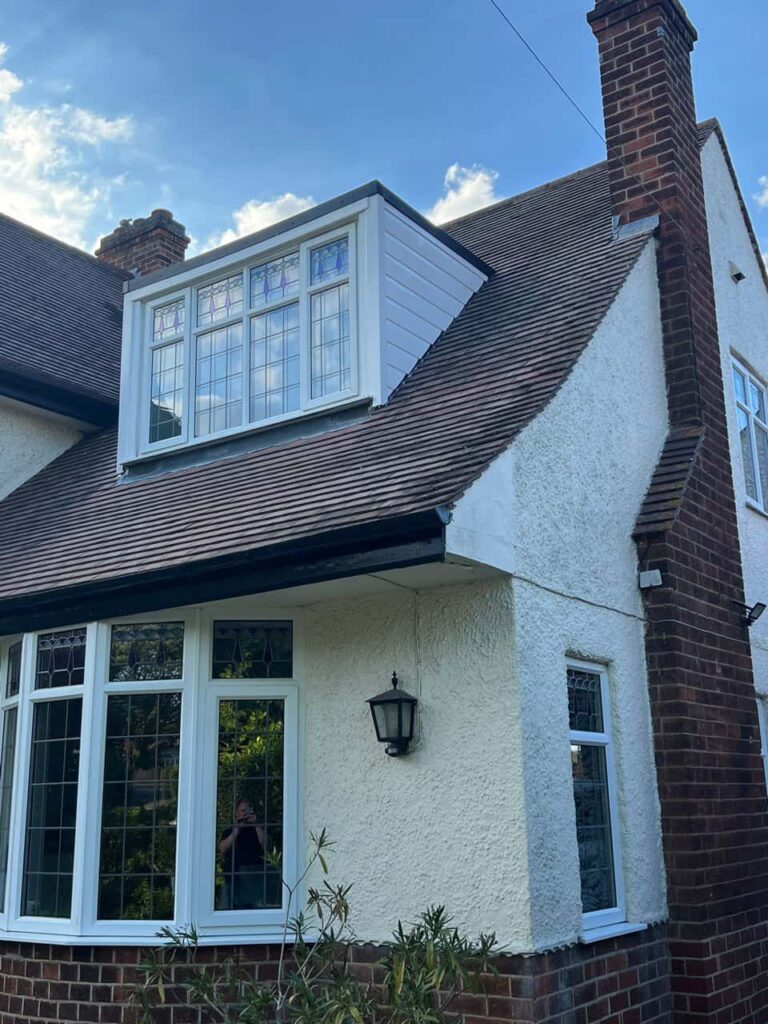
A roof does not always develop one isolated problem at a time. As it ages, homeowners may begin dealing with several recurring issues across different areas: slipped or damaged tiles, intermittent leaks, deteriorating mortar, worn flashing, unreliable roof junctions or defects that seem to return despite previous repairs.
Individual roof repairs remain entirely appropriate when defects are localised and the surrounding roof is in sound condition. However, when problems are appearing repeatedly across different parts of the roof, it becomes important to consider whether they are separate faults or symptoms of broader deterioration.
For homeowners in Beverley, East Riding of Yorkshire, a professionally planned replacement roof can sometimes address several connected problems within one coordinated project. The important distinction is knowing when replacement is genuinely justified rather than assuming that every older or previously repaired roof needs renewing.
How Can Roof Replacement Resolve Multiple Roofing Problems?
A roof replacement provides the opportunity to consider the roofing system as a whole rather than repeatedly addressing individual visible defects. The existing roof covering can be removed so that the underlying condition becomes accessible, allowing suitable preparation before the new roofing system is installed.
This can be particularly valuable where recurring problems are no longer confined to one predictable location.
Replacement should still be based on the actual condition of the roof. Where targeted repairs remain suitable, there may be no reason to replace otherwise serviceable materials. The case for replacement becomes stronger when deterioration is widespread or several parts of the roof are repeatedly requiring attention.
Recurring Leaks Can Indicate a Wider Roofing Issue
One roof leak does not normally mean replacement is required.
A displaced tile, isolated flashing defect or localised problem can often be repaired effectively. Concern increases when water ingress keeps returning in different places or when previous repairs resolve one leak only for another to appear elsewhere.
At that point, assessing the complete roof can be more useful than continuing to treat every leak as an unrelated event.
Several Repair Areas Can Reveal General Deterioration
The history of previous repairs can provide useful information about a roof’s overall condition.
A small number of well-defined repairs over many years is not necessarily concerning. However, numerous patches across different roof slopes may indicate that deterioration is becoming more widespread.
When a large proportion of the roof is gradually requiring attention, replacement may offer a more coherent approach than continually adding further isolated repairs.
A New Roof Can Address More Than the Visible Covering
Tiles or slates are only the most visible part of a pitched roof.
Beneath them are other important components, including battens and the underlying membrane or underlay. The roof also contains details around ridges, hips, valleys, edges, penetrations and junctions.
Replacement provides access to these areas in a way that repeated surface repairs generally do not.
Worn Underlay Can Contribute to Recurring Problems
Older roof underlay can deteriorate over time.
When the primary roof covering allows a small amount of water past, the underlay forms an important secondary layer within the roofing system. If it has become brittle, damaged or ineffective in multiple areas, individual tile repairs may not address the complete problem.
Roof replacement allows this layer to be renewed as part of the overall construction.
Battens Can Be Assessed Once the Roof Is Stripped
Roofing battens support the tiles and form an important part of the roof covering system.
Their condition cannot always be properly established while the existing covering remains in position. Once a roof is stripped, the underlying construction can be inspected and unsuitable sections dealt with before the new covering is installed.
This is one reason replacement can provide a more comprehensive solution where widespread deterioration is suspected.
Repeatedly Slipping Tiles May Have More Than One Cause
An occasional slipped tile can usually be treated as a local repair.
When tiles repeatedly move in different areas, however, the issue may extend beyond individual pieces. Ageing fixings, deteriorated battens or the wider condition of the roof covering may need consideration.
Simply replacing whichever tile has most recently slipped may not resolve a problem affecting multiple sections.
Widespread Tile Deterioration Changes the Repair Decision
Individual cracked or damaged tiles do not justify replacing an otherwise reliable roof.
The situation becomes different when deterioration is present across numerous areas. If increasing numbers of tiles are damaged, loose or no longer performing reliably, repeated replacement of individual pieces can become an ongoing cycle.
Assessing the overall condition helps determine whether continued local repairs remain proportionate.
Flashing Problems Can Occur Alongside Other Defects
Roof flashing helps protect vulnerable junctions where different materials or roof features meet.
An isolated flashing defect can often be repaired without disturbing the wider roof. However, older flashing may sometimes be only one of several deteriorating elements.
During a replacement project, relevant junction details can be incorporated into the new roofing work rather than being treated as separate recurring defects.
Roof Junctions Deserve Particular Attention
Areas where roof surfaces meet other features often require careful detailing.
These locations can experience water concentration and movement between different materials. If several junctions are showing deterioration at the same time, local patching may become less effective as a long-term strategy.
A coordinated replacement allows these details to be considered together.
Valleys Can Become Part of a Wider Pattern of Wear
Roof valleys channel significant amounts of rainwater from adjoining slopes.
A localised valley defect may be repairable, but problems become more significant when the valley is deteriorating alongside tiles, underlay and other parts of the roof.
Where replacement is appropriate, the valley can be renewed as part of the complete roofing system rather than treated independently.
Ridge and Hip Deterioration May Not Be an Isolated Problem
Ridge and hip details are exposed parts of many roofs.
Over time, mortar, fixings or surrounding materials can deteriorate. Where the remainder of the roof remains sound, localised attention may be entirely sufficient.
If ridge or hip problems occur alongside widespread deterioration elsewhere, however, they become another factor when assessing the roof as a whole.
Previous Patch Repairs Can Make Diagnosis More Complicated
A roof that has received many different repairs can become increasingly difficult to interpret.
Materials of different ages may sit alongside one another, and older patches can sometimes obscure the original source of water ingress. What appears to be a new defect may also be related to deterioration extending beyond a previously repaired section.
A full roof assessment can help establish whether another local repair remains sensible.
Water Can Travel Away From the Entry Point
One reason recurring roof leaks can be frustrating is that the internal symptom does not always appear directly beneath the external defect.
Water can enter at one point and travel along roofing materials or structural components before becoming visible indoors. This can make apparently separate leaks more difficult to diagnose.
Understanding the route of water ingress is therefore essential before deciding between repair and replacement.
Replacing the Roof Can Remove Layers of Previous Patchwork
Repeated repairs are sometimes necessary and perfectly effective, but an extensively patched roof can eventually become a mixture of different repair materials and details.
When the underlying roof is also deteriorating, continuing to add more patches may no longer provide the most coherent solution.
Replacement allows the roof covering to be approached as one complete system again.
Roof Replacement Can Restore Consistency
A roof performs most effectively when its different components work together.
Tiles or slates, underlay, battens, ridges, hips, valleys, flashing and edge details all contribute to controlling water and protecting the structure below.
Where numerous parts have reached a similar stage of deterioration, renewing them within one planned project can restore consistency across the roof.
Replacement Can Address Problems Hidden Beneath the Covering
Some defects cannot be fully understood from the external surface alone.
Once the existing covering is removed, areas that were previously concealed become accessible. This can provide a clearer understanding of the condition beneath the tiles or slates.
Appropriate preparation can then take place before the new roof covering is installed.
Persistent Damp Symptoms Need Accurate Diagnosis
Recurring damp marks do not automatically prove that the complete roof needs replacement.
Water ingress can have a specific localised source, and finding that cause should remain the first priority. Replacement should not be recommended simply because a leak has been difficult to locate.
The decision changes when investigation identifies broader deterioration that makes continued isolated repairs increasingly unsuitable.
One Bad Area Does Not Necessarily Mean the Whole Roof Has Failed
It is important not to overstate the case for roof replacement.
A substantial local defect can sometimes look alarming while the rest of the roof remains in serviceable condition. Depending on what is found, repairing that particular area may be the more proportionate solution.
Professional assessment should distinguish between concentrated damage and genuinely widespread decline.
Roof Age Should Not Be the Only Deciding Factor
An older roof is not automatically an unreliable roof.
Materials age differently depending on their type, installation, exposure, maintenance history and overall condition. Some older roofs remain suitable for targeted repair, while others develop multiple connected problems.
Physical condition is therefore more informative than age alone.
Repeated Repairs Do Not Automatically Mean Replacement
The number of previous repairs needs context.
A roof that has required occasional attention over a long period may still have substantial serviceable life remaining. Conversely, several repairs within different areas over a relatively short period can indicate that deterioration is becoming more general.
The pattern of repairs is often more useful than simply counting them.
Different Problems Can Sometimes Share the Same Underlying Cause
Several symptoms do not always mean several unrelated faults.
For example, deteriorating underlying materials may contribute to movement across more than one section of the roof. Water ingress in multiple locations may also be connected to broader deterioration of the covering or associated details.
A whole-roof assessment can identify whether apparently separate problems are actually related.
Weather Often Exposes Existing Weaknesses
Periods of heavy rain or strong winds frequently reveal roof defects that have been developing gradually.
A tile may move, an ageing junction may begin admitting water or an already weakened section may deteriorate further. The weather event can expose the problem without necessarily being its only cause.
Where several weaknesses become apparent around the same time, the underlying condition of the roof deserves closer attention.
Replacement Can Reduce the Cycle of Reactive Repairs
When a roof develops one isolated fault, repairing it promptly is a sensible approach.
The difficulty arises when maintenance becomes almost entirely reactive, with attention repeatedly shifting from one deteriorating section to another. This pattern can indicate that the roof is no longer experiencing isolated defects.
Where assessment confirms widespread deterioration, replacement can address the broader condition rather than repeatedly responding to individual symptoms.
The Roof Structure Still Needs Proper Assessment
Replacing tiles or slates does not automatically resolve every possible roofing problem.
The condition of the underlying roof structure needs to be understood before replacement work proceeds. If other issues are identified during assessment or once the roof is opened, these need to be considered appropriately.
A replacement roof should be based on sound preparation rather than simply placing new materials over unresolved problems.
Preparation Is Critical to a Reliable Replacement Roof
The finished roof covering receives most of the visual attention, but the preparation underneath is equally important.
The roof needs to be stripped and assessed so that the new materials have an appropriate supporting system. Details around edges, junctions and other vulnerable areas also require careful planning.
A replacement roof is therefore a complete roofing project rather than simply an exchange of old tiles for new ones.
A Coordinated Approach Can Improve Roof Detailing
Where several different areas have previously been repaired separately, details may have been completed at different times.
Replacement creates an opportunity to consider how the complete roof works together. Junctions, roof slopes and drainage paths can be approached as part of the same installation.
This consistency is particularly valuable where recurring problems have developed around multiple parts of an ageing roof.
Replacement Should Address Causes Rather Than Cover Symptoms
Installing a new roof covering without understanding why the previous roof was problematic would miss an important part of the process.
Before replacement, recurring leaks, movement or deterioration should be assessed so the new work can respond to the conditions actually present.
A cause-first approach helps ensure the replacement is based on the requirements of the roof rather than simply its appearance.
Localised Repair Remains Valuable Where Appropriate
Roof replacement should never make ordinary repair seem unimportant.
Prompt local repairs can preserve a roof effectively when surrounding materials remain in suitable condition. Replacing an entire roof because of one slipped tile or a straightforward local defect would often be unnecessary.
The value of professional assessment lies in determining which level of work matches the actual extent of deterioration.
When Does Replacement Become the More Logical Option?
There is no single defect that automatically determines the answer.
Replacement becomes increasingly worth considering when deterioration affects numerous areas, recurring leaks continue to appear, substantial parts of the covering are unreliable or problems extend into underlying components.
The combined condition of the roof matters more than any one symptom.
Why Professional Roof Assessment Adds Value
Choosing between another repair and a replacement roof requires an understanding of how individual defects relate to the wider roofing system.
At TRP Roofing Beverley, we assess the visible roof covering, recurring problem areas and relevant roof details before recommending the appropriate level of work. Where a local repair remains suitable, unnecessary replacement can be avoided. Where deterioration has become widespread, a planned replacement can address the roof more comprehensively.
For properties in Beverley, East Riding of Yorkshire, this condition-led approach helps ensure that roofing work responds to the actual cause and extent of the problems present.
The Right Solution Should Be Proportionate to the Roof’s Condition
The purpose of replacement is not simply to make an older roof look new.
Its real value is seen when the existing roofing system has developed several connected weaknesses that can no longer be addressed effectively through isolated attention. In those circumstances, renewing the roof as a complete system can resolve multiple recurring problems within one coordinated project.
Where the roof remains fundamentally sound, targeted repair may still be the appropriate choice.
Conclusion
A replacement roof can eliminate several recurring roofing problems at once when those problems are connected to broader deterioration of the existing roof. Repeated leaks, widespread tile damage, ageing underlay, unreliable flashing, deteriorating junctions and numerous previous repair areas can collectively indicate that the issue is no longer confined to one location.
However, recurring problems should always be properly assessed before replacement is recommended. Some roofs can continue to perform reliably after targeted repairs, while others have reached the point where renewing the complete roofing system provides a more coherent solution.
If your property in Beverley, East Riding of Yorkshire, has developed several recurring roof problems, contact TRP Roofing Beverley. We can assess the condition of the roof and determine whether focused repairs remain appropriate or whether a replacement roof would provide a more suitable long-term approach.
Call us on: 01482 429 199
Click here to find out more about TRP Roofing Beverley
Click here to complete our contact form and see how we can help with your roofing needs.